What the FDA Does and Doesn't Regulate in Supplements
Most supplement buyers assume FDA oversight works similarly to pharmaceutical regulation. It does not. Understanding the gap between what the FDA requires and what it doesn't is the most important thing a supplement buyer can know before making a purchase.
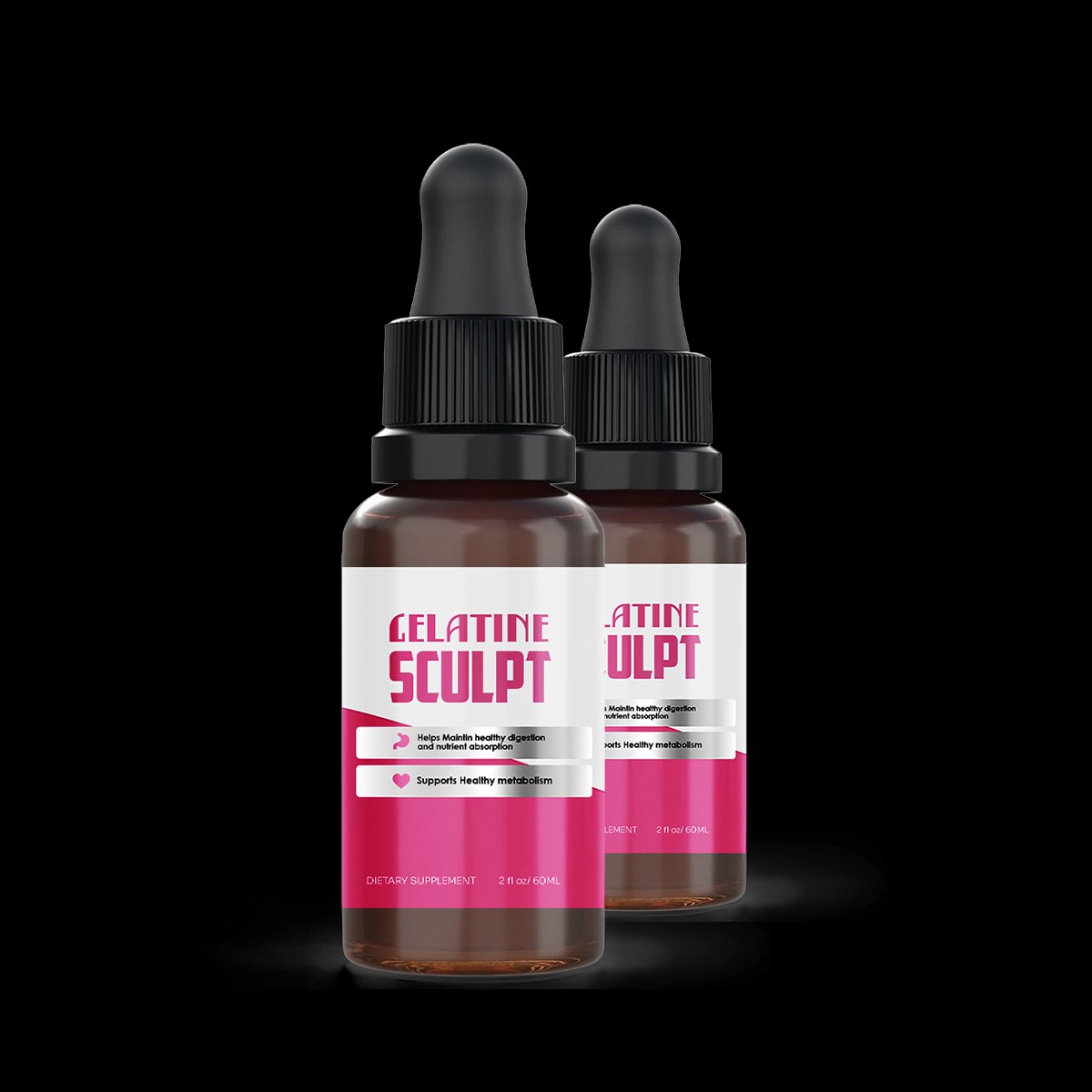
The regulatory framework — what most buyers don't realise
Under the Dietary Supplement Health and Education Act of 1994 (DSHEA), dietary supplements are regulated as a category of food — not pharmaceuticals. This has a specific and significant consequence: supplement manufacturers do not need to demonstrate safety or efficacy to the FDA before bringing a product to market. The burden of proof is effectively reversed compared to drugs.
The FDA can take action against supplements after they are on the market if they are found to be unsafe or fraudulently marketed. But the agency does not test supplements before they reach consumers. This regulatory gap is why independent, third-party testing and GMP certification matter so much in practice.
The regulatory floor
The regulatory gap
The absence of pre-market testing means that a supplement can be on sale without any independent verification of its label claims. A product might contain less of the active ingredient than stated, more of an undisclosed ingredient, or contaminants not mentioned on the label. Third-party testing by an independent laboratory directly addresses this gap — it provides the verification the regulatory framework doesn't require.
"The FDA's post-market enforcement model means the consumer assumes initial risk. Independent third-party testing shifts that risk — the product has been verified before it reaches you."
— Dose Theory editorial note. Based on published regulatory framework documentation.What Gelatine Sculpt provides beyond the regulatory minimum
GMP-certified manufacturing
Meets the FDA-mandated manufacturing standard. Dose Theory independently confirms this credential is in place.
Independent third-party laboratory testing
Not required by the FDA — but provided. An independent lab with no financial relationship to the manufacturer verifies label accuracy and purity. This exceeds the regulatory minimum.
60-day money-back guarantee
Not an FDA requirement. A commercial commitment to stand behind the product. Dose Theory confirms the guarantee terms apply to all three packages.